
April 25, 2026
AEO vs SEO: The Evolution of Search & Why It Matters
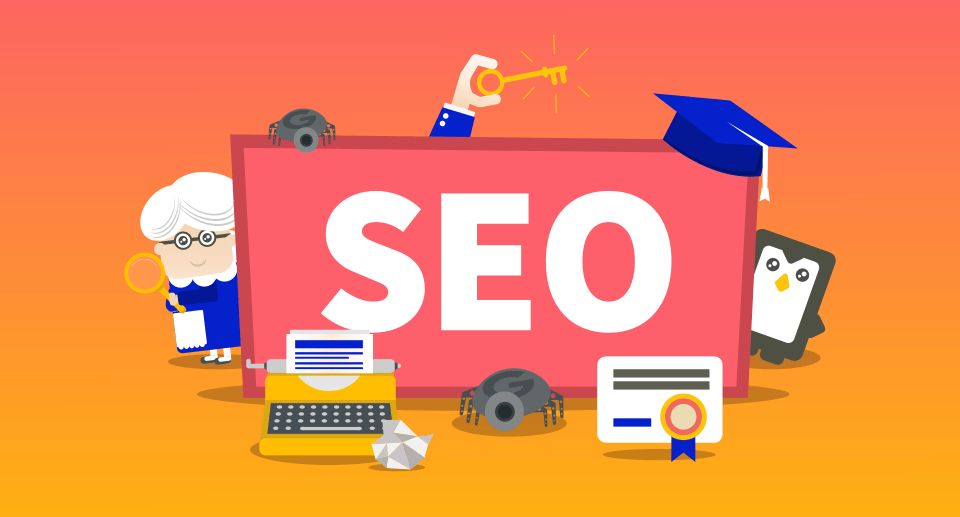
The internet as we know it today is a culmination of decades of effort; websites interconnected through links, powered by keywords, and enriched with quality, immersive content. SEO (Search Engine Optimization) has been instrumental in this growth, driving visibility and ensuring users find what they need.
Yet, the digital landscape is evolving. With the rise of mobile-first experiences and groundbreaking AI technologies like ChatGPT, Gemini and natural Large Language Model based voice assistants, we’re entering an era where answers aren’t just searched, they’re delivered instantly. Asking a question naturally and receiving the exact answer without additional clicks or digging through results is the future we’re living right now. This shift from search engines to answer engines is not just a trend but the future.
Enter AEO (Answer Engine Optimization) a strategy designed to complement SEO by optimizing content for instant, precise responses.
Let’s explore how AEO and SEO differ, why they’re both indispensable and how businesses can harness their combined power to thrive in this new era.
What Is AEO?
Think of your digital presence as a three-legged stool.
AEO (Answer Engine Optimization) is a digital strategy aimed at delivering concise, accurate answers to user queries. It’s about positioning your content where it can shine in featured snippets, Google’s Answer Box, or even through voice assistants like Siri, Alexa and Google Assistant. Unlike traditional SEO, which focuses on driving traffic to your website, AEO prioritises providing immediate answers, enhancing user satisfaction, even if users never visit your site.
AEO vs SEO – Key Differences
Understanding how search is evolving from rankings to answers
1. Objectives:
SEO: Boosts website visibility and organic traffic through high search engine rankings.
AEO: Ensures users find direct answers to their queries efficiently
2. Medium:
SEO: Works across traditional search platforms on desktop and mobile browsers.
AEO: Optimized for voice search, featured snippets, and knowledge graphs.
3. Content Style:
SEO: Relies on long-form, keyword-rich content with in-depth explanations.
AEO: Prefers concise, scannable content in a question-and-answer format.
4. End Goal:
SEO: Encourages users to explore your site and engage with your offerings.
AEO: Focuses on user satisfaction through quick, accurate responses.
AEO vs SEO – Must they work in Tandem?
To future-proof your digital strategy, blending AEO and SEO is key. Here’s how:
1. Leverage Structured Data
Schema markup ensures search engines understand and prioritise your content for rich snippets.
2. Focus on FAQs
Include sections that directly address common questions in simple, conversational language.
3. Voice Search Optimization
Use natural, speech-like phrasing to align with how people speak during voice searches.
4. Target Rich Snippets
Structure content to be easily indexable for Google’s Answer Box and Knowledge Graph.
5. Combine Keywords and Questions
Go beyond basic keywords. For example, replace “best smartphones” with “What’s the best smartphone for photography in 2024?”
FAQs
No, AEO and SEO are complementary. SEO drives users to your website, while AEO ensures they find answers directly. Together, they create a comprehensive strategy for digital success.
Voice search heavily relies on conversational queries. AEO ensures your content aligns with these patterns, making it more discoverable.
Absolutely. AEO allows smaller businesses to compete for featured snippets and voice search visibility without extensive SEO campaigns.
Conclusion: Embracing the Future with AEO and SEO
SEO laid the foundation of the internet we know today, and its importance remains undiminished. But the future demands more: quick answers, seamless experiences and adaptability to new technologies like voice search and AI.
By integrating SEO’s depth with AEO’s precision, businesses can secure their place in the evolving digital ecosystem. Together, these strategies don’t just drive traffic; they build trust, credibility, and relevance in a world where answers are just a question away.
Ready to lead the way? Partner with Upgrix, your trusted SEO experts in Delhi, to create a strategy that delivers results.